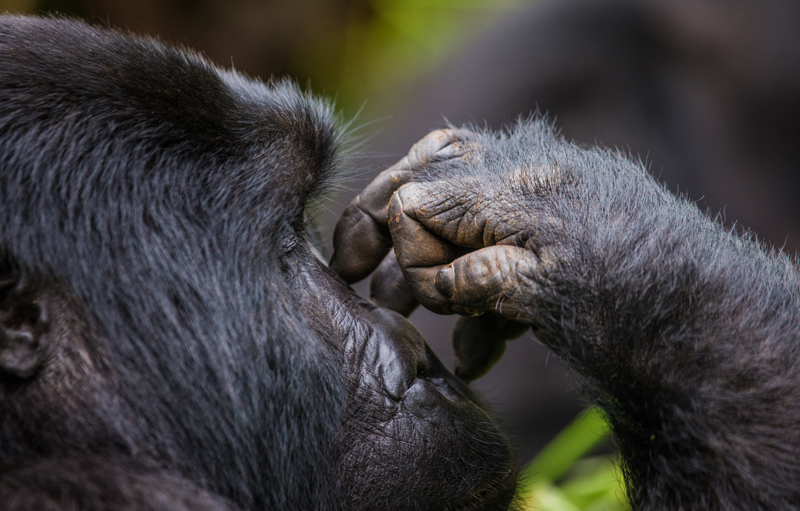
Gorilla and chimpanzee trekking in Uganda
Planning to see mountain gorillas or chimpanzees in the wild? In this guide, you’ll find the practical information you need to prepare your trek in Uganda.
We explain how to arrange your trekking permits, what the minimum age is for gorilla trekking, and where to go for the best chances of spotting these primates.
Need some help? We're here for you. At Roadtrip Africa, we are happy to help you plan your Uganda itinerary and arrange your gorilla and chimpanzee trekking permits. Feel free to contact us for more information and guidance.
Gorilla trekking locations in Uganda
Bwindi National Park protects an estimated 350 mountain gorillas, including 11 habituated groups that can be tracked.
The park offers four gorilla trekking locations:
- Buhoma and Ruhija - located in the northern section of Bwindi National Park
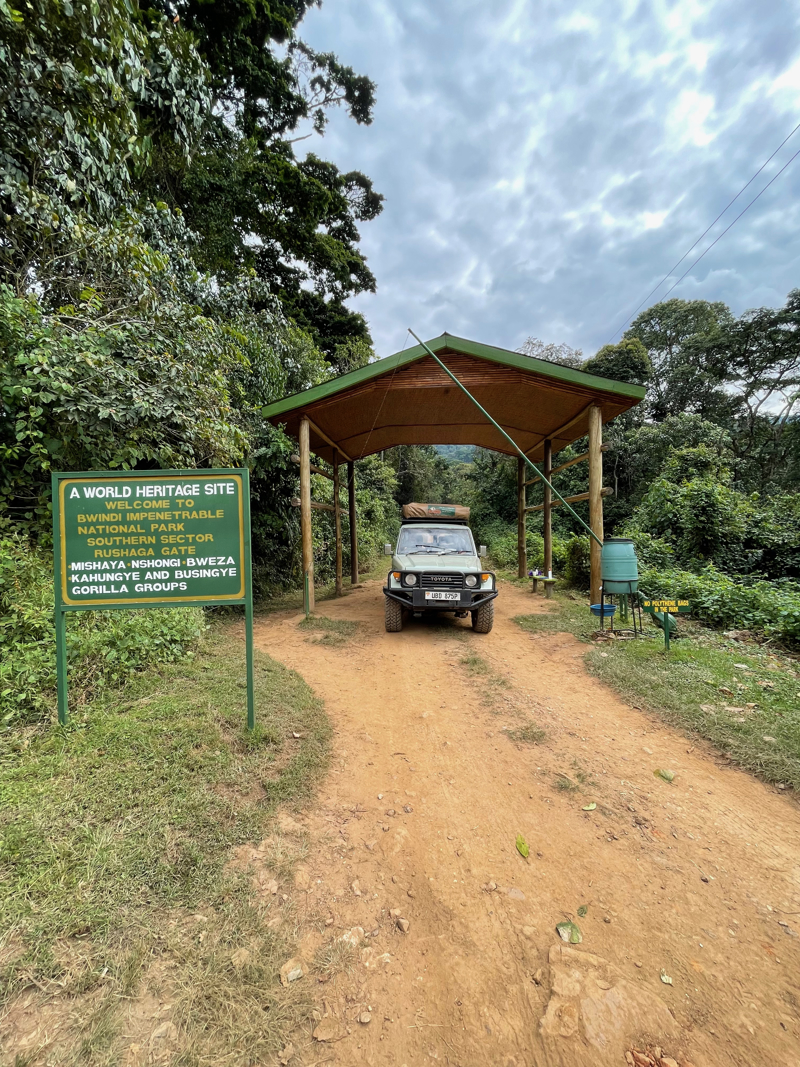
- Nkuringo and Rushaga - located in the Kisoro District in the southeast of Bwindi National Park
Roadtrip Africa partners with the beautiful Mutanda Lake Resort, from where you can visit the Nkuringo or Rushaga family.
Another trekking location is Mgahinga Gorilla National Park, which borders Rwanda and protects the Ugandan parts of the Virunga mountains.
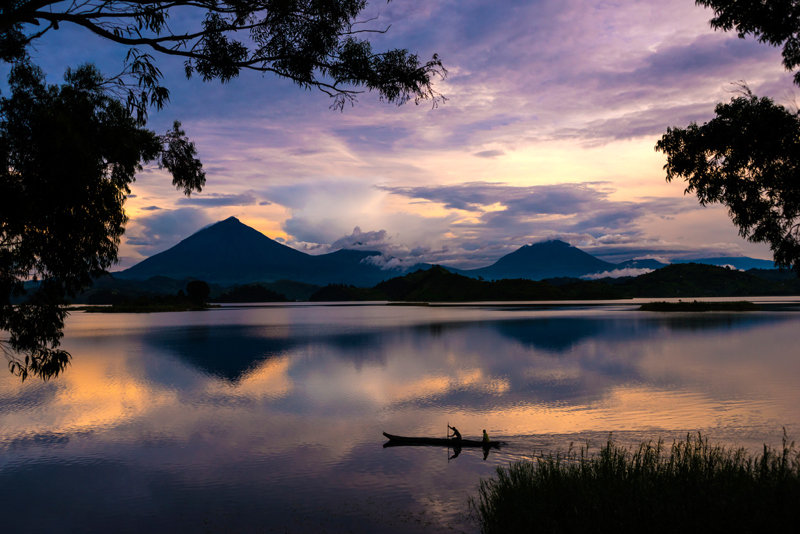
What's a day of gorilla hiking like?
Your day starts early. Depending on your lodge, it can take 60 to 90 minutes to reach the park headquarters, often on dirt roads. So yes, expect an early wake-up call. Most travellers bring a packed breakfast and lunch and arrive just after sunrise.
At the briefing point, a guide from the Uganda Wildlife Authority explains the rules and what to expect. You trek in small groups of up to eight people, together with UWA rangers. You can hire a porter to carry your daypack. It’s not a must, but it directly supports local families and makes your hike more comfortable.
The trek usually starts around 8.00 am. How long you walk depends on where the gorillas were seen the day before. Sometimes it’s an hour. Sometimes it’s five. That’s part of the experience.
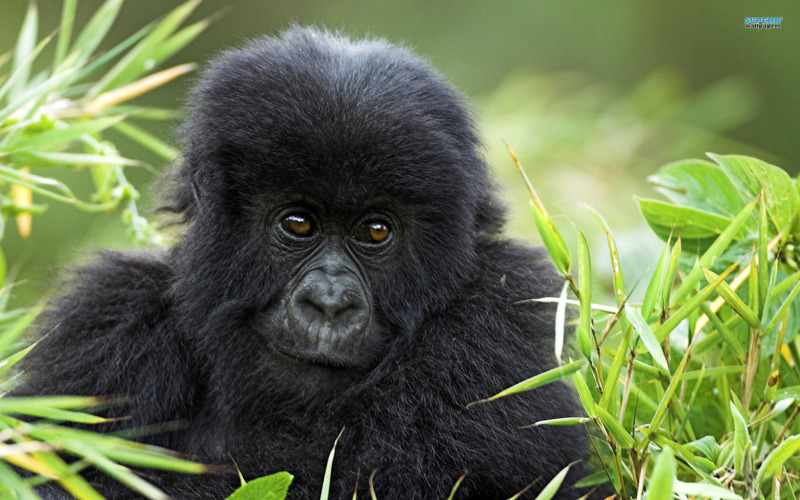
Once the rangers locate the gorilla family, you spend one hour with them. This time limit helps protect the animals and prevents them from getting too used to human contact. After your visit, the gorillas are left undisturbed for the rest of the day.
It's important to know that you can walk completely at your own pace. The 1-hour sighting starts when the whole group is together, so don’t feel rushed by fellow trekkers.
After the trek, you return to the starting point and head back to your lodge. A tip for the rangers and porters is appreciated.
Want to spend more time with gorillas?
Then you might want to look into a gorilla habituation experience. Instead of visiting a fully habituated family for one hour, you join researchers and rangers and spend up to four hours with a semi-habituated group. Read more about it in our blog about gorilla trekking vs habituation.
How to obtain your gorilla trekking permit
If you are planning to go on a gorilla hike in Uganda, it's recommended that you reserve your trekking permits well in advance. The Uganda Wildlife Authority issues the permits, but only to Tour Operators. As a tourist, there is no possibility of visiting their headquarters in Kampala and arranging it yourself.
Our team at Roadtrip Africa is happy to help arrange your gorilla permits. We can only do this after you have confirmed your tour or car rental booking with us in Uganda. The costs for a gorilla trekking permit are listed in the National Park section of our website, here.
To be able to arrange the trekking permits on your behalf, we'll need the following information:
- Full passport name, nationality, date of birth, and passport number of all the people trekking.
- Preferred starting location and date.
- Second best dates in case the preferred date is fully booked.
Once proof of payment has been sent, we will purchase the permits on your behalf. For this service, we charge a handling fee of USD 25 per gorilla permit and USD 50 per gorilla habituation experience.
Kindly note that once your permits are bought, it is not possible to change the start location and/or trekking date.
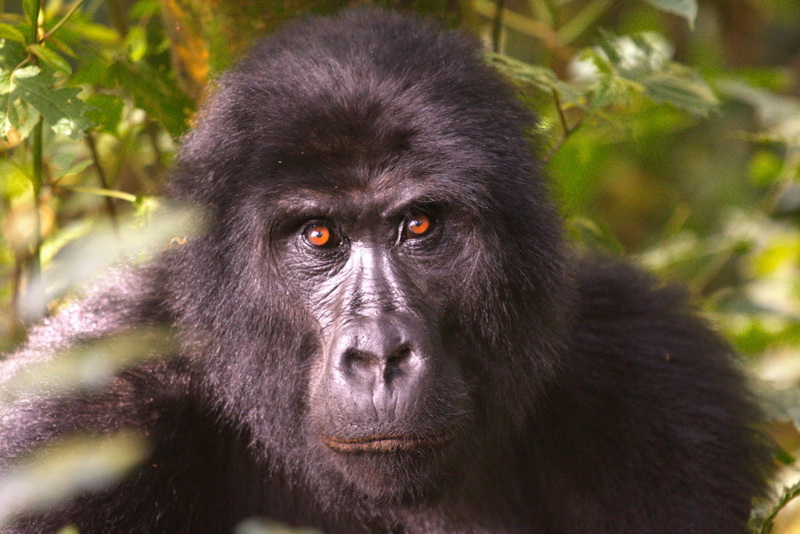
What’s a day of chimpanzee trekking like?
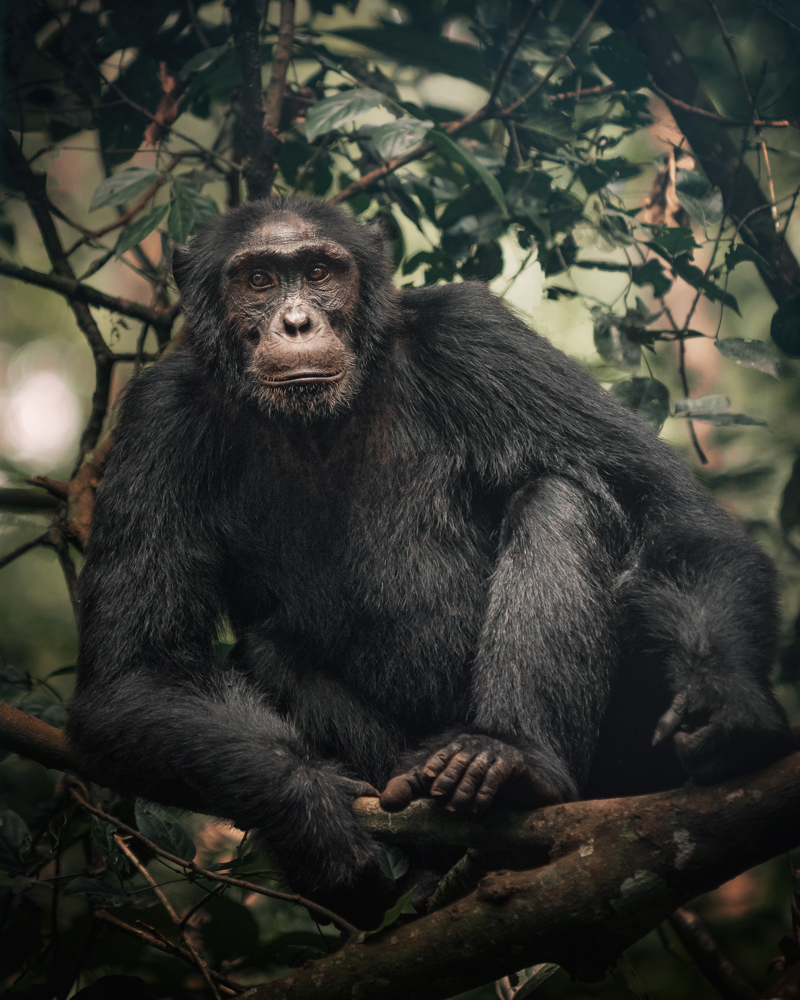
Chimpanzee trekking has a different rhythm than gorilla trekking. Chimps are lively and always on the move. They climb trees, call out to each other, chase, feed and suddenly disappear into the forest before you fully realise what’s happening.
Your day usually starts with a briefing at the park headquarters. After that, you head into the forest with a guide and a small group. The trackers stay in contact with each other to locate the chimpanzees.
Once you find them, you spend about one hour observing the group. Don’t expect them to sit still. You’ll often be looking up into the trees as they swing from branch to branch. It can feel a bit like hide-and-seek, but that’s part of the fun.
Good to know: in some parks, you can also choose a chimpanzee habituation experience, where you spend more time with the group and learn more about their behaviour. If you’re unsure which experience suits you best, we’re happy to help you decide in our blog: chimp trekking vs habituation.
Where to go chimpanzee trekking in Uganda
Kibale Forest is Uganda's prime chimpanzee trekking location, with a 95% chance of spotting a chimp family. Trips start every morning and afternoon in Kibale Forest National Park.
The costs for a chimp trekking permit at Kible Forest are listed in the National Park section of our website. The Uganda Wildlife Authority issues all primate trekking permits, but only to Tour Operators. As a tourist, there is no possibility of visiting their headquarters in Kampala and arranging it yourself.
Our team at Roadtrip Africa is happy to help you arrange your chimp trekking permits. We can do this only after you have confirmed your self-drive tour or car rental booking with us in Uganda. For this service, we charge a handling fee of USD 15 per chimp permit.
For those travelling on a budget, Budongo Forest, Kalinzu Forest, or Kyambura Gorge are cheaper alternatives to spot chimpanzees.
- Budongo Forest Reserve is located close to Murchison Falls National Park. The likelihood of spotting chimps is highest in the morning, with an estimated 80% chance. The trek is organised by Uganda Lodges - Budongo Eco Lodge. Permits can be obtained on-site or reserved in advance through Uganda Lodges. The price for the Budongo Forest is USD 140.
- Kalinzu Forest is situated alongside the road from Mbarara town to Queen Elizabeth National Park. A hiking permit costs USD 40, and the chances of seeing chimps are estimated at 50%. Even if you miss out on the chimps, the hike itself is still a great experience. Permits can be arranged on-site or via your lodge.
- Bugoma Forest is located only 4,5 hours from Kampala and 30 minutes from the city of Hoima. There are two hikes every day: 8 AM and 2 PM. The trekking permit costs USD 80 and needs to be done in cash on-site in UGX or USD. The meeting point is at the Mwera Ecotourism site in the centre of Bugoma Forest (a 40-minute drive from Kikonko Lodge). They advise taking a raincoat and gum boots with you.
- Kyambura Gorge is located in the far eastern corner of Queen Elizabeth National Park. It is a steep walk as you descend to the gorge and enter a different mini-ecosystem. Trekking here is a fun activity, yet hardly done by tourists. There is no guarantee that you will spot the chimps (about 50% chance), but there is plenty of other wildlife to spot, and the gorge is a wonderful destination in its own right. Permits cost USD 100. Permits can only be bought via Tour Operators. We can do this once you have confirmed your self-drive tour or car rental booking with us in Uganda. For this service, we charge a handling fee of USD 15 per chimp permit.
What is the minimum age for gorilla and chimpanzee trekking?
The minimum age for a gorilla hike in Uganda is 15 years. For chimpanzee trekking, you'll need to be at least 12 years old.
How fit do I need to be for a gorilla and chimpanzee trekking?
How strenuous the hike is depends on the weather conditions and the proximity of the gorillas and chimps. Although the hike could potentially last 6 hours, this is rare. A moderate level of fitness (walking) is enough for participating in a gorilla or chimpanzee trek. People of various ages go trekking, including those in their late seventies. A porter can assist, and the use of a local walking stick is an excellent aid. The right clothing and boots with traction will make the experience easier as well.
Tips for a better gorilla and chimpanzee trekking experience
- Wear good and comfortable walking/hiking shoes suitable for handling slippery slopes.
- Grab a walking stick at the start of your trek.
- Thin gloves can be a great addition, as you need to grab a lot of twigs and trees.
- Wear long-sleeved clothes to protect yourself from scratches and insect bites while walking through thick bushes.
- Pack a facemask as this is mandatory to wear once you are with the gorillas.
- To put in your bag: a raincoat, sunscreen, enough water (2L), and snacks or a packed lunch.
- Picture close-ups are special and usually very appealing. Try a close-up of a hand, foot or face.
- Take some time to watch the gorillas and chimps without taking pictures. Put your camera away to better realise where you are, soak in the moment and enjoy!
- Don’t forget to take your passport with you, plus a copy of your passport for each trek, as these will be handed in on the day of your trekking
Want help preparing your trip? We’re happy to think along with you and arrange your permits, so you can focus on the experience itself.
Get in touch